For beverage distributors, point-of-sale (POS) marketing is rarely about whether to invest. It’s about whether the investment ever reaches retail. A typical mid-sized distributor runs $500,000 to $2 million annually in POS materials — tap handles, coolers, neon signs, shelf displays, banners, table tents — across thousands of accounts. The materials get approved, designed, printed, and shipped. The question is whether anyone can actually verify they showed up where they were supposed to.
This guide covers the categories of POS marketing that matter most in beverage distribution, where each one tends to break down operationally, and how leading distributors are closing the gap between “spend approved” and “placement verified.”
What POS marketing actually means in beverage distribution
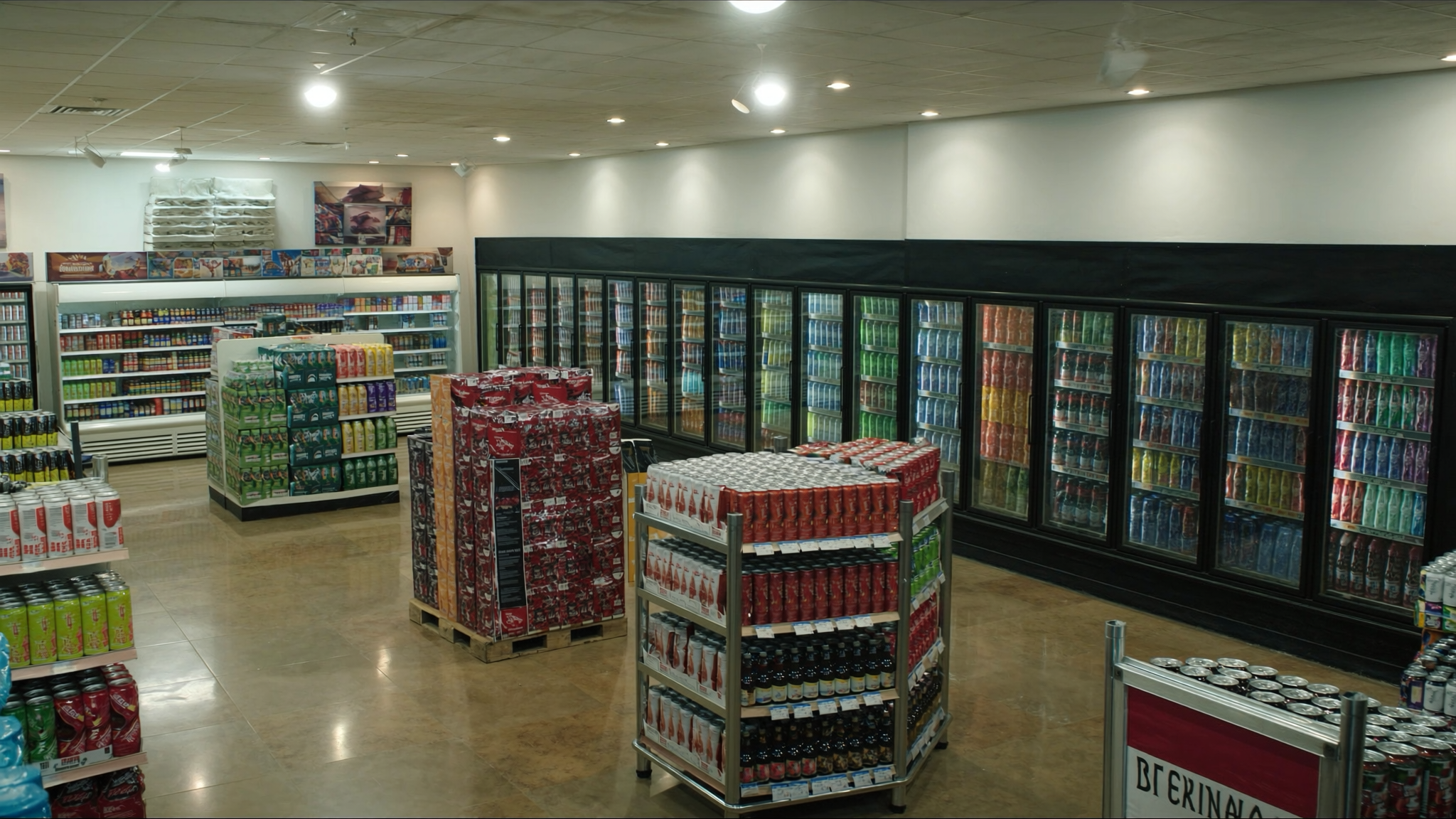
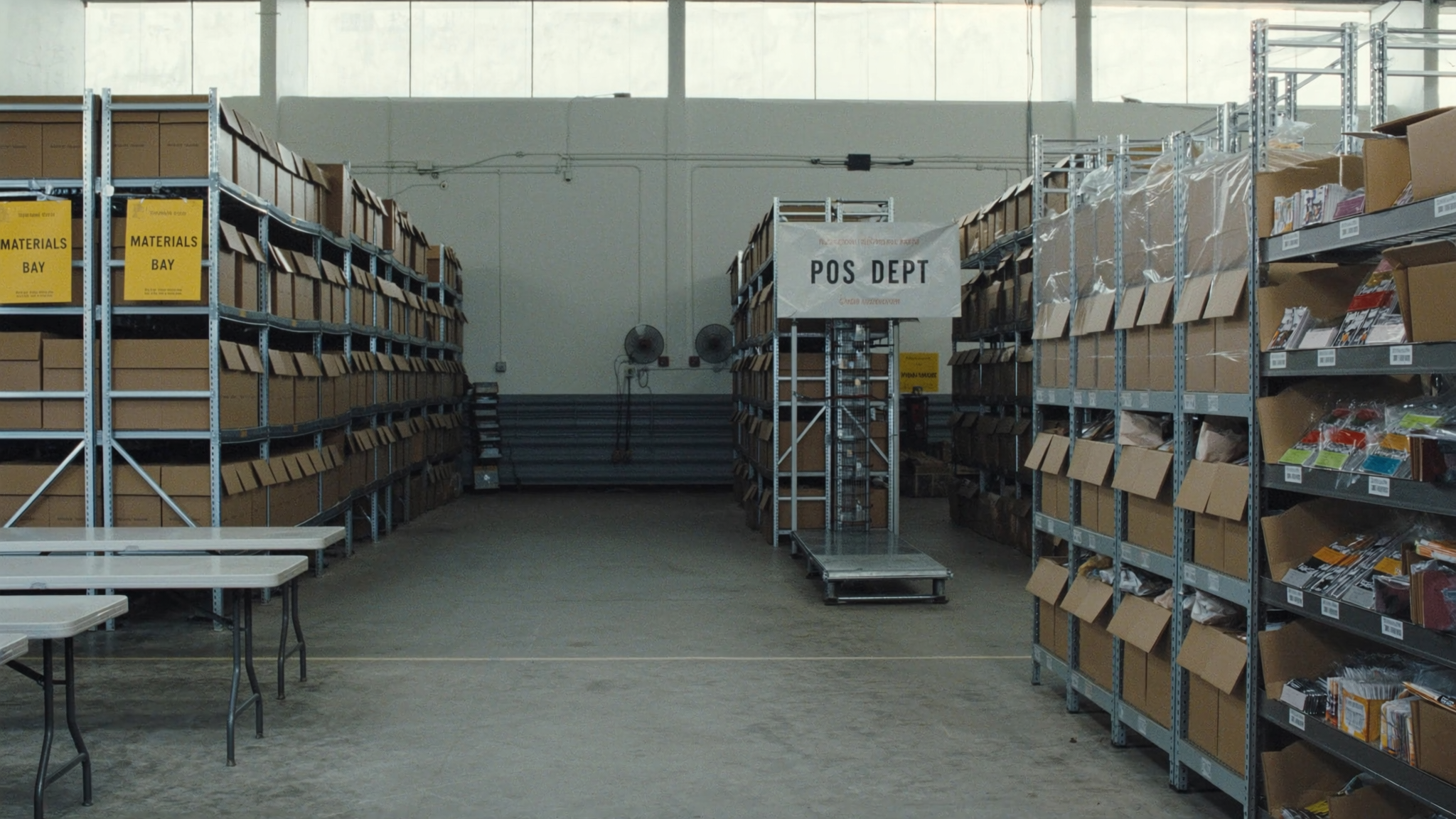
Point of sale, in retail generally, refers to the location where customers make purchase decisions. In beverage distribution specifically, POS marketing extends well past the checkout. It covers every branded asset deployed at retail to drive purchase decisions: shelf-level signage, cooler door clings, tap handles, neon signs, banners, table tents in on-premise accounts, end-cap display shippers, secondary placements, and supplier-program promotional materials.
The total annual spend across these categories typically dwarfs the digital marketing budget. The tracking discipline historically has not.
The categories that matter (and where each one leaks)
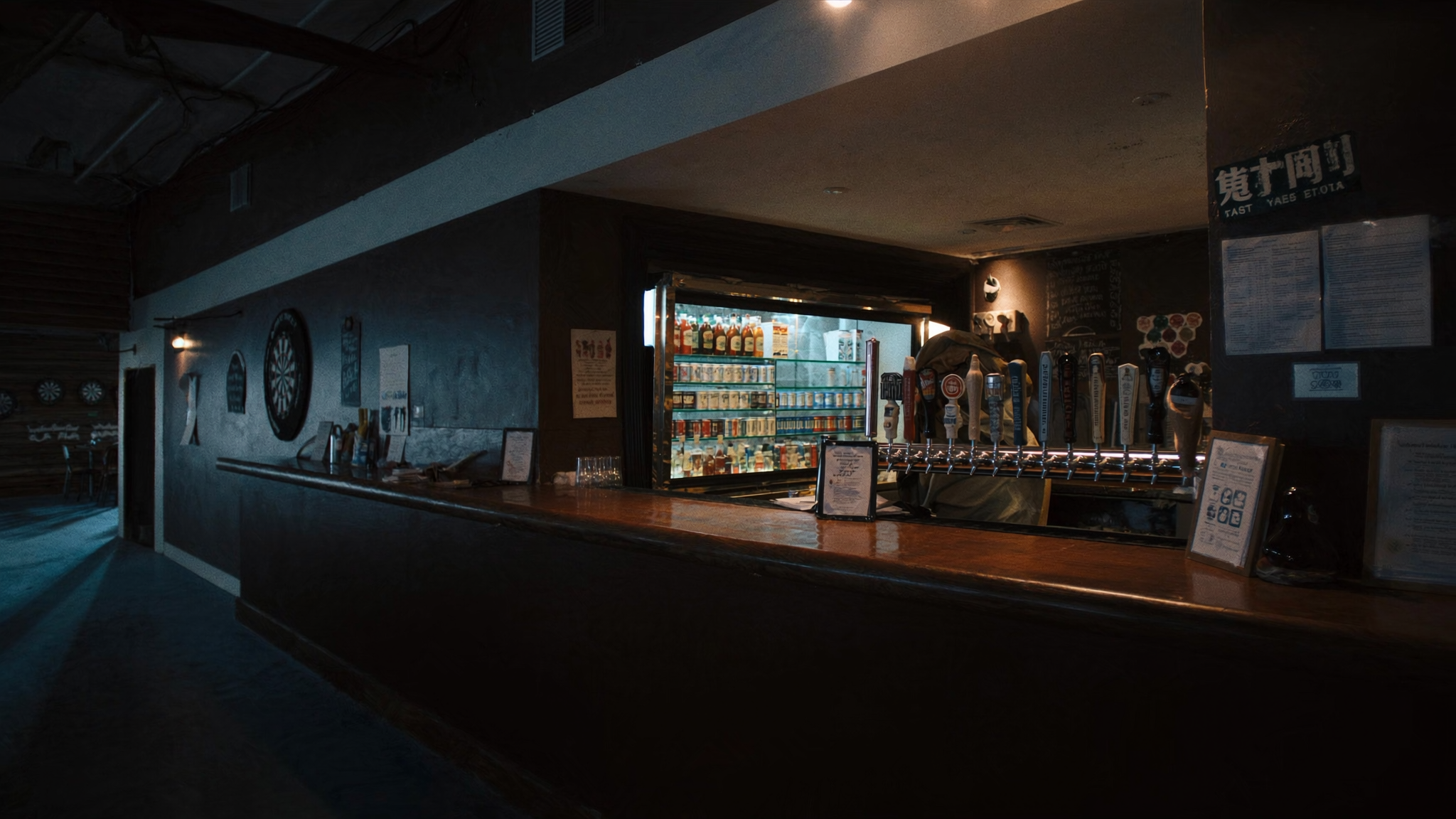
Tap handles and draught fixtures
The most visible — and most easily stolen or lost — POS asset in beer distribution. Tap handles run anywhere from $25 for a basic resin handle to several hundred dollars for custom-designed pieces. They walk off bars regularly, get cycled through cleaning, and disappear when accounts change tap lineups.
Where it leaks: Without chain-of-custody tracking, distributors deliver replacement handles repeatedly without knowing the original was lost. The supplier funding the program sees the cost; the recovery rate is unmeasurable.
What good looks like: Tap handle inventory tracked by account, with verified placement photos at install and periodic re-verification. When a handle isn’t in place at the next visit, the rep flags it before the supplier audit does.
Coolers and refrigeration units
Coolers are the highest-dollar POS asset most distributors deploy. A branded glass-door cooler runs anywhere from $1,500 to $5,000. Deployment is supplier-funded but the distributor carries the placement and maintenance burden.
Where it leaks: Coolers that get moved, repurposed, or fall out of brand-compliance over time. The supplier expects a specific brand cooler in a specific account; without periodic re-verification, the placement decays silently.
What good looks like: Asset-tagged coolers with location records, photo verification on a defined cadence, and condition tracking. Damage and theft get caught at the visit, not at the next supplier program review.
Shelf displays, end-cap shippers, secondary placements
The bread and butter of off-premise execution. End-cap shippers, floor displays, and secondary shelf placements drive most incremental sales lift on supplier programs.
Where it leaks: Approved → printed → shipped to reps → never installed. Or installed, then taken down by the store within days. Or installed in the wrong location. Or installed with wrong product. The supplier funded the program assuming the display ran for the agreed duration. Reality is often shorter — and that’s where co-op claim disputes come from.
What good looks like: Photo-verified installation with timestamp, then verification visits during the promotion window to confirm the display is still up and stocked. Standard Beverage moved their facing compliance from 50% to over 90% by enforcing this kind of structured verification cadence rather than relying on after-the-fact rep reports.
Cooler door clings, shelf strips, shelf talkers
Lower per-unit cost, but high volume. A typical supplier program might deploy 500-2,000 of these across a distributor’s territory.
Where it leaks: Print runs ordered and delivered to the distributor, but actual placement rate is rarely measured. Reps put up what they remember, where they remember. The 15–30% POS shrinkage range that distributors find when they actually reconcile their spend? A significant portion comes from this category.
What good looks like: Per-account placement targets, photo-verified installation, and reconciliation against the print run. If 500 were printed and 320 were verifiably placed, you know exactly where the gap is.
Neon signs and illuminated displays
High-impact but expensive. Neon signs and lit displays are usually reserved for high-velocity accounts or supplier flagship programs.
Where it leaks: Damage, theft, fixture failures. A neon sign that’s been dark for three months is no longer doing the job the program funded.
What good looks like: Asset tracking with periodic verification of functional status, not just presence.
Print marketing collateral (table tents, menus, posters)
The on-premise specialty. Table tents and printed menus need refresh cycles tied to supplier program calendars. Posters and banners support specific time-bound promotions.
Where it leaks: Materials produced for a program that ends before they’re deployed. Materials deployed but never refreshed when the supplier rolls a new campaign. The on-premise side of the business tends to be even less verifiable than off-premise because account access is more variable.
What good looks like: Tied to the supplier program calendar, with deploy and refresh dates planned and verified.
Why generic retail merchandising tools don’t fit beverage POS
The POS marketing workflow in beverage distribution is shaped differently from generic retail merchandising:
- Multi-supplier programs. A distributor runs 30 to 50 supplier programs concurrently. Each has its own POS materials, calendar, and co-op claim cycle. Generic merchandising tools assume one brand, many stores.
- Asset chain of custody matters. Tap handles and coolers are high-value, transferable assets. Generic tools track activity, not asset custody.
- Co-op claim defensibility. Supplier program audits ask for verified placement records by account. Generic tools store photos; defensible records require timestamp validation, location confirmation, and program attribution.
- DSD route reality. Reps run 25-40 stops per day. A POS capture workflow that takes 90 seconds per stop gets logged selectively; the data is incomplete. EasyCheck targets 15 seconds per stop — fast enough to get used consistently.
What closing the POS gap is worth
POS shrinkage for distributors who actually reconcile their spend routinely runs 15–30% of the budget. On a $750,000 annual POS budget — typical for a mid-sized distributor — that’s $112,000–$225,000 a year going somewhere nobody can specifically point to.
Andrews Distributing recovered over $1 million in their first year on EasyCheck by closing this exact gap. The number comes from James Pritchard, their POS manager, and reflects reconciled spend before and after. Most of the recovery came from POS materials that previously got produced but never reached a verified placement.
The dollar recovery is the smaller piece, though. The two things that matter more:
- Co-op claim defensibility. Suppliers running program audits ask distributors to prove the program ran. Distributors with photo-verified placement records get their claims approved. Distributors without proof either lose claims or spend weeks assembling justification.
- Marketing budget defensibility internally. When the CFO asks what the POS spend produced, distributors with measurable execution data keep their budgets. Distributors without it lose budget at the next planning cycle.
Real examples — beyond Coca-Cola
Generic POS marketing articles trot out Coca-Cola’s “Share a Coke” campaign or Red Bull’s interactive displays. Those are good case studies of brand-level marketing creativity, but they don’t tell distributors much about the actual operational work.
Distributors closing the POS execution gap look like:
- Capital Distributing moved off OnTrak to EasyCheck because their legacy system kept breaking when supplier program structures changed. The platform stability mattered as much as the workflow itself — when the tooling becomes the obstacle, the rep adoption collapses.
- Doll Distributing runs the full POS lifecycle on EasyCheck, with placement verification tied directly to supplier program cycles.
- Andrews Distributing built a co-op claim documentation discipline that’s now the standard for what their key supplier partners expect.
These aren’t case studies of clever creative. They’re case studies of operational discipline applied to a category — POS marketing — where the operational discipline has historically been the missing piece.
How to evaluate where you stand
If you run POS marketing for a distributor and want to assess where you actually are, four questions cut through the noise:
- Do you know your POS shrinkage rate as a percentage of marketing budget? Most distributors don’t. If you don’t measure it, you don’t have a baseline to improve.
- Can you produce photo-verified placement records by account for any active supplier program, within an hour, without manual compilation? This is the operational test.
- Are your reps logging placements at the visit, or after hours from memory? Workflow weight determines data quality. Heavy workflow = selective compliance = incomplete data.
- When the CFO asks “what did the POS budget produce,” can you answer with verified placements by program, by account, by supplier? If not, you’re at risk in the next budget cycle.
If three or more of those are “no,” the operational gap is significant — and recoverable.
Where to start
The practical first move isn’t to start a vendor selection process. It’s to pick one current supplier program and measure your actual shrinkage rate. Reconcile what was approved, what was printed, what was sent to reps, and what you can verify was placed. The gap is real. Once you know the number, the case for investing in execution discipline writes itself.
- Best Beverage Distribution Software for DSD Teams (2026 Guide) — the platform buyer’s guide
- POS tracking software for beverage distributors — pillar guide
- What Is Field Execution? Definition + 2026 Guide — the wider framework
- Book a 15-minute walkthrough — see POS lifecycle tracking on your specific supplier programs